
Fly Fishing for Beginners: How to Get Started in Richmond, VA
Learn to Fly Fish
Start with shore-based instruction from Andrew Stiles in Richmond.
Published:
Updated:
Why Fly Fishing Feels Hard at First
Fly fishing looks graceful from a distance, and that is part of the trouble. Beginners watch someone else's loop of line unroll across the water, pick up a rod, and find that nothing about it feels the same. The rod is long and the line is heavy, and the fly weighs almost nothing. Conventional spinning gear casts by throwing a lure. A fly rod casts by moving the line itself.
That difference is what trips most first timers up. You cannot muscle a fly cast the way you can heave a spinning lure, and trying usually makes the line collapse in a tangle at your feet. The good news is that the core skills are small in number. Learn a handful of them in the right order and fly fishing for beginners stops feeling like a puzzle.
The Three Skills Every New Angler Needs
Almost everything a first-time fly angler needs fits into three buckets. Casting comes first, then knots, then handling your gear with confidence. Each one builds on the one before it, so the order matters.
- Casting: moving the line smoothly back and forward so the fly lands where you meant it to.
- Knots: joining line, leader and fly so a good cast does not end with a lost fly.
- Gear handling: setting up the rod, managing loose line, and keeping everything from knotting itself.
Skip any one of these and the others suffer. A great cast is wasted on a knot that slips, and a perfect knot does not help if the line is wrapped around your feet.
Casting: Timing Over Strength
The beginner's mistake is hurrying. A fly cast has a back stroke and a forward stroke, and the pause between them is where the cast actually happens. You are waiting for the line to straighten behind you before you push it forward. Rush that pause and the line snaps or piles up.
Start with short casts and a relaxed grip. Short distances let you see what the line is doing, and that feedback is what teaches your hands the rhythm. Distance and accuracy come later, once the basic stroke is steady. Practice on open ground with clear space around you, because early casts rarely go where they are aimed.
Knots and Gear: The Unglamorous Part That Saves Your Day
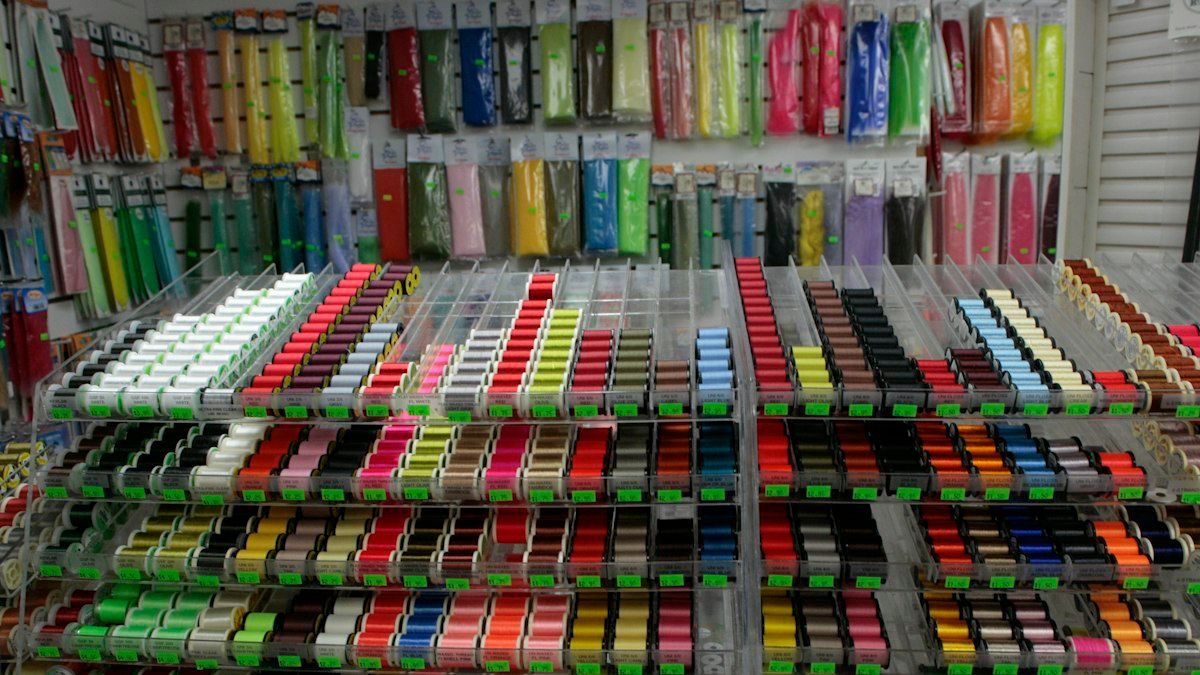
Knots are the part beginners want to skip, and they are the part that decides whether a fish stays on. Fly fishing uses a few connections, and each one has a job. Learning them at a table, calmly, is far easier than learning them on the water with the wind picking up and light fading.
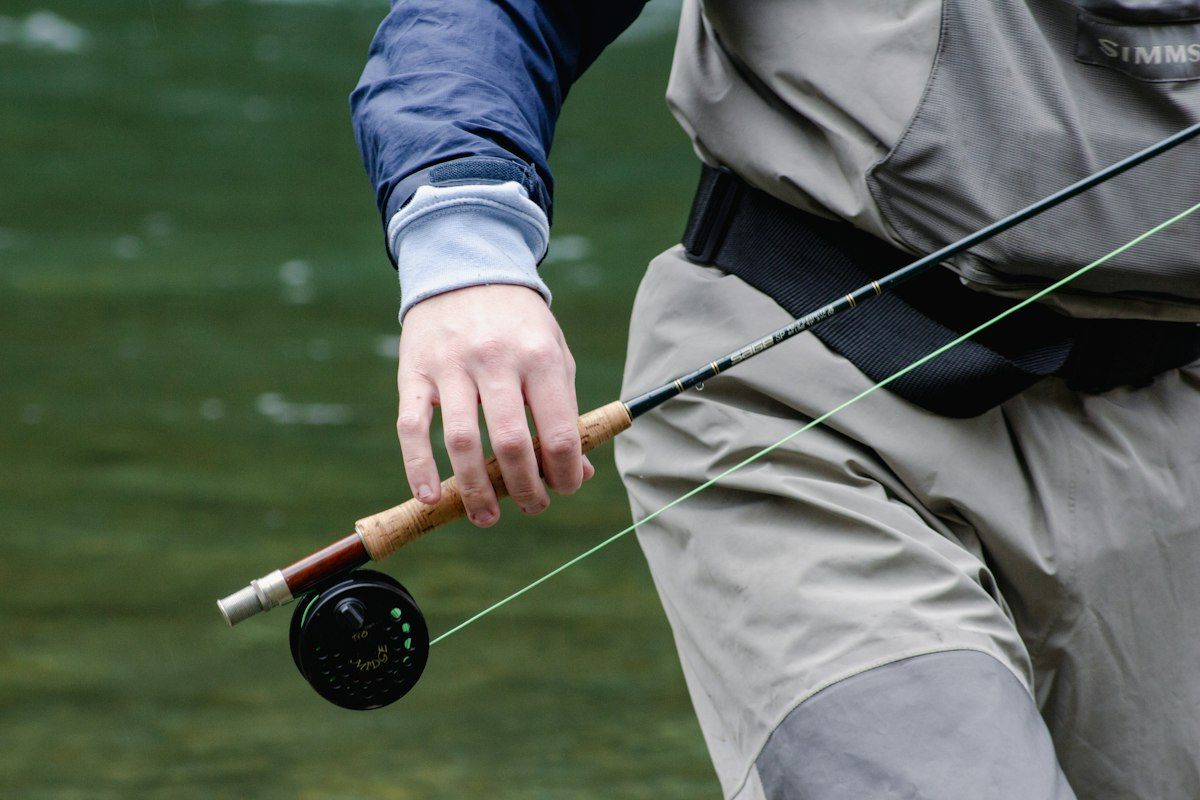
Gear handling is the quiet skill that makes everything else smoother. How you hold the rod, where your spare line goes, and how you strip line in all affect how clean your next cast is. New anglers often fight their own line more than anything in the water. A few good habits in the first hour save a lot of frustration later.
Why Personalized Instruction Speeds Everything Up
You can learn fly fishing from videos and books, and plenty of people do. The trouble is that a video cannot see your wrist. Casting errors are small and physical, such as a stroke that is slightly too fast or a rod tip that drops at the wrong moment. Someone watching you can spot the fault in seconds and fix it with one sentence.
That is where one-on-one instruction pays off. Instead of guessing why your line keeps landing in a heap, you get a correction on the spot and a chance to repeat the cast right away. Good habits form early, and so do bad ones. A beginner who practices a flawed stroke for weeks has more to unlearn than one who was guided from the start.
Starting With Andrew Stiles in Richmond
Andrew Stiles Fly Fishing Adventures offers shore-based instruction aimed at people just getting started in Richmond. Andrew has 40 years of fly fishing experience, and his sessions are personalized, so the pace follows what you need rather than a fixed script. One of his shoreline sessions is built around exactly the three skills above: learning to cast, tie knots and handle your gear with confidence along Richmond's shoreline.
Working from the shore suits a first lesson well. You are standing on solid ground with room to practice, and your attention stays on the rod and the line. There is no boat to manage and nothing competing for focus while you work out the basics. Beginners who are curious but a little nervous about getting started often find this the gentlest way in.
If you want to build on those basics, personalized instruction can continue past the first session. Each cast gives you something to adjust, and a guide who has watched thousands of them knows which adjustment matters most. That steady feedback is what turns a first-time fly fishing experience into real progress.
What to Do Before Your First Lesson
You do not need to arrive knowing anything. A little preparation helps, though, and none of it involves buying much. Show up curious and ready to repeat the same motion many times, because repetition is how casting gets into your hands.
- Wear comfortable clothes you can move your arms in freely.
- Expect your first casts to be messy. That is normal and fixable.
- Bring questions about anything that confuses you, from knots to how the line behaves.
Fly fishing rewards patience more than talent. Start with the basics, get them corrected early, and the rest follows at your own pace. If you are looking for fly fishing lessons in Richmond, a shore-based session with Andrew Stiles is a straightforward place to begin.